
Agriculture
Insecurity Threatens Niger State Food Economy as Attacks Disrupt Farmers and Traders

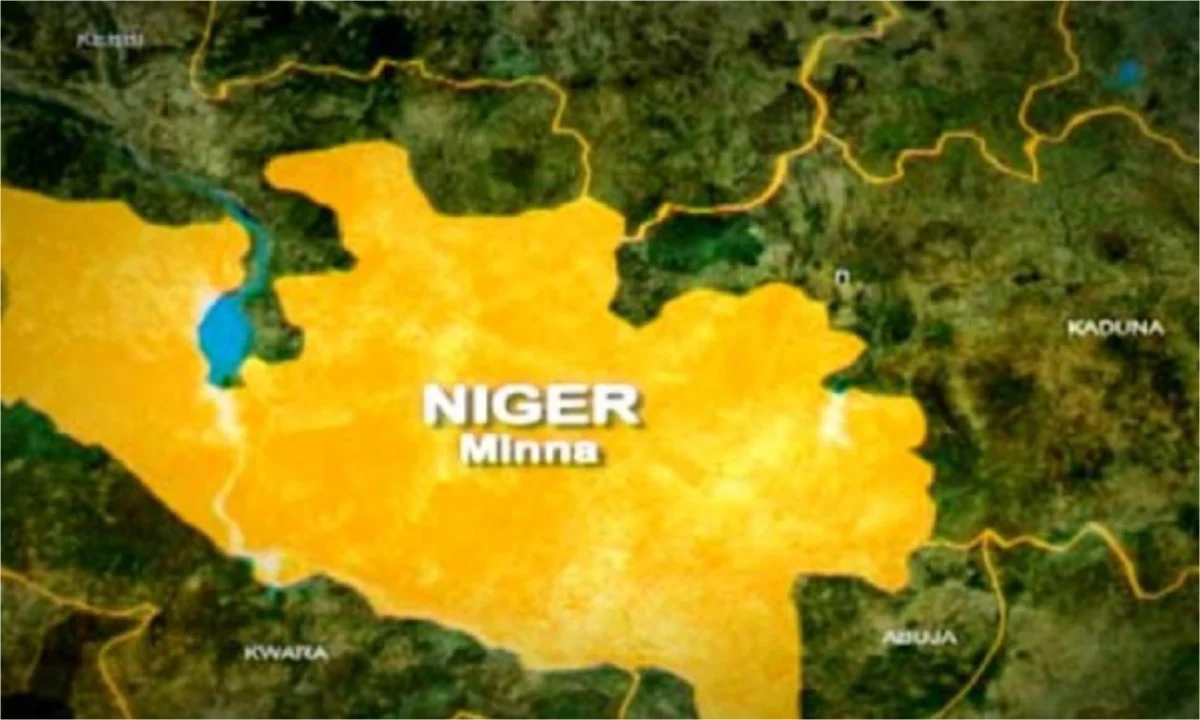
By Spiral Media TV | August 24, 2026
The food economy in Niger State is facing growing pressure as insecurity continues to disrupt farming activities, trading and movement along some rural routes.
Farmers and traders operating in vulnerable communities are increasingly concerned about their safety, with attacks and the threat of abductions making it more difficult for people to access farmlands and transport agricultural produce to markets.
The situation could have wider consequences for food supply and prices if disruptions persist.
Insecurity Disrupts Farming Activities
Agriculture remains an important source of livelihood for communities across Niger State, but insecurity has made farming more difficult in some areas.
Recent reports have documented attacks on farming communities in Niger State, with some farmers forced to abandon their fields because of security concerns.
When farmers cannot safely reach their farms, the impact goes beyond individual households. Reduced cultivation can affect the amount of food available for local markets and potentially increase pressure on prices.
Traders Face Challenges on Rural Roads
Farmers are not the only group affected.
Traders and transporters depend heavily on rural roads to move food from producing communities to markets and urban centres. When roads become unsafe, traders may reduce their movements or avoid certain routes altogether.
A recent investigation into insecurity and rural markets in Nigeria’s North West found that attacks have affected both markets and the roads connecting traders to those markets.
Although the situation varies from one part of northern Nigeria to another, the disruption of transport routes can make it harder and more expensive to move agricultural products.
Food Supply Could Come Under More Pressure
The connection between security and food availability is significant.
Farmers need safe access to their land, while traders require secure roads to move harvested crops. Any major disruption along that chain can affect the availability and affordability of food.
FEWS NET has reported that conflict in northern Nigeria is disrupting livelihoods, restricting access to farmland and affecting market activity, particularly in conflict-affected parts of the North West, North Central and North East.
Rising Transport Costs Add to the Challenge
Insecurity is occurring alongside other difficulties facing Nigeria’s agricultural sector.
Farmers and traders are also dealing with the cost of fuel, agricultural inputs and transportation. These expenses can make it more expensive to produce and move food from rural areas to consumers.
FEWS NET has noted that insecurity along rural roads and market corridors can hinder the movement of agricultural inputs and harvested crops, while high fuel and transportation costs add further pressure to domestic trade.
Farmers Need Greater Protection
For Niger State and other agricultural regions facing similar challenges, improving security around farming communities and transport corridors remains important.
Better protection could allow farmers to return to abandoned farmland, encourage agricultural activity and make it easier for traders to move food between rural communities and markets.
A more secure environment could also help reduce some of the risks that discourage investment in agriculture.
Impact Could Extend Beyond Niger State
The challenges facing Niger State are part of a wider food-security concern across northern Nigeria.
The World Food Programme has warned that conflict is driving hunger in parts of northern Nigeria by forcing people away from farmland, disrupting movement and making it more difficult to deliver assistance.
This means that security challenges in agricultural communities can have consequences far beyond the communities where attacks occur.
What Needs to Be Done?
Addressing the problem will require coordinated efforts involving security agencies, government authorities, farmers, traders and local communities.
Improving security on rural roads, protecting farming communities and ensuring that agricultural producers can safely access their land could help restore confidence in affected areas.
At the same time, measures aimed at reducing transportation and production costs could make it easier for farmers and traders to continue operating.
Conclusion
The growing security concerns affecting parts of Niger State are creating additional challenges for farmers, traders and the movement of food.
If farmers remain unable to access their land and traders continue to face difficulties moving agricultural products, food supply chains could come under further pressure.
Strengthening security around farms, markets and rural transport routes will therefore remain important to protecting livelihoods and supporting Nigeria’s broader food-security goals.
Spiral Media TV will continue to provide updates on agriculture, food security, business, security and other developments affecting Nigerians.
Editorial note: This article focuses on the reported economic and food-security implications of insecurity. It does not speculate about individual incidents or the identities of suspected attackers.


Wasiu Ayinde Breaks Down on Stage While Mourning Ogogo’s Death

Actor Ijebu Makes Public Apology Following Ogogo’s Death

Insecurity Threatens Niger State Food Economy as Attacks Disrupt Farmers and Traders

Nigerian Newspapers: 10 Major Stories Making Headlines This Wednesday, August 19, 2026

NGX Extends Losing Streak to Eight Sessions as Investors Lose ₦5.45 Trillion

Makinde Urges Nigerians to Judge 2027 Candidates by Records and Ideas
-
 News6 days ago
Nigerian Newspapers: 10 Major Stories Making Headlines This Wednesday, August 19, 2026
-
 Business3 days ago
NGX Extends Losing Streak to Eight Sessions as Investors Lose ₦5.45 Trillion
-
 Politics3 days ago
Makinde Urges Nigerians to Judge 2027 Candidates by Records and Ideas
-

 News3 days ago
US Court Blocks Trump Visa Ban Affecting Nigeria and 74 Other Countries
-

 Politics3 days ago
Kogi APC Chairman Oyewole Solomon Dies After Collapsing at Reconciliation Meeting
-
 Entertainment1 day ago
Wasiu Ayinde Breaks Down on Stage While Mourning Ogogo’s Death
-
 Entertainment1 day ago
Actor Ijebu Makes Public Apology Following Ogogo’s Death