
Entertainment
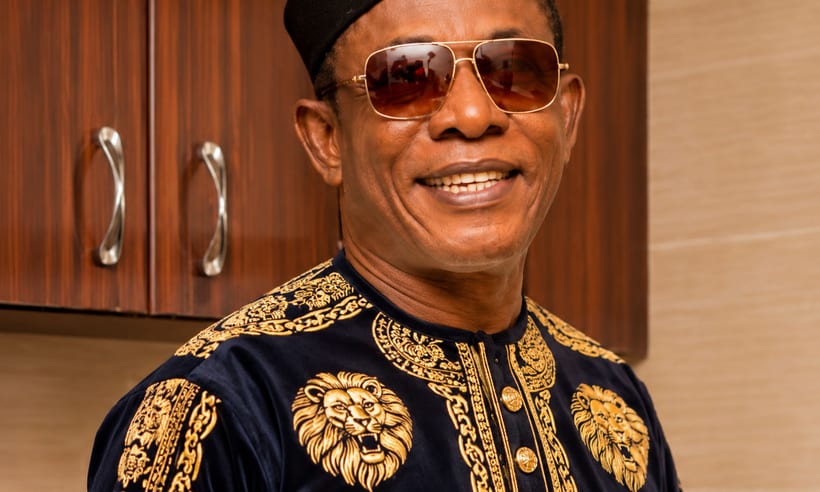
Osuofia Clarifies Yoruba Filmmakers’ Role in Nollywood’s Emergence

Osuofia Clarifies Yoruba Filmmakers’ Role in Nollywood’s Emergence
Veteran Nollywood actor Nkem Owoh, popularly known as Osuofia, has clarified his comments on the contributions of Yoruba filmmakers to the Nigerian film industry.
Owoh said Yoruba filmmakers pioneered Nigeria’s home-video industry but did not start Nollywood.
He made the clarification during an appearance on Curiosity Made Me Ask, a programme hosted by comedian and content creator Adebayo Abidemi, popularly known as Bae U.
The actor was responding to questions about his earlier comments on the contributions of Yoruba and Igbo filmmakers to Nollywood’s development.
He rejected the suggestion that he had claimed Yoruba people founded Nollywood. According to him, the name did not exist when he and other filmmakers started producing movies.
“First of all, you have given me this wrong accusation that I said, Yoruba started Nollywood. No. When we started the thing, there was no Nollywood as a name,” he said.
Osuofia Credits Yoruba Filmmakers for Home-Video Pioneering
Although he rejected the claim that Yoruba people started Nollywood, Owoh praised their contributions to the development of home-video entertainment.
He specifically mentioned veteran filmmaker Hubert Ogunde and actor Adebayo Salami, popularly known as Oga Bello.
Owoh said their productions helped make home-video entertainment popular in Nigeria.
“The Yoruba did not start Nollywood. They started home video,” he added.
He also disagreed with the suggestion that Ogunde was Igbo, insisting that the veteran filmmaker was Yoruba.
Debate Over Yoruba and Igbo Contributions to Nollywood
Owoh’s clarification comes amid renewed discussions about the contributions of different ethnic groups to Nigeria’s film industry.
In August 2026, late Nollywood actor Francis Duru argued that Igbo entrepreneurs played a major role in building modern Nollywood.
He linked their contributions to the commercial home-video boom of the 1990s and early 2000s.
Meanwhile, historical accounts highlight the earlier contributions of Yoruba travelling theatre groups. Figures such as Hubert Ogunde and Duro Ladipo helped develop Nigerian theatre, film and television before the commercial video boom.
How Living in Bondage Shaped Modern Nollywood
The 1992 film Living in Bondage, produced by Kenneth Nnebue, is widely recognised as a landmark in the growth of Nigeria’s commercial home-video industry.
The film helped popularise the direct-to-video market and contributed to the expansion of what later became known as Nollywood.
The name “Nollywood” itself became widely known after a 2002 report by journalist Norimitsu Onishi in The New York Times.
Owoh’s latest comments distinguish the earlier history of Yoruba home-video productions from the later emergence of Nollywood as an industry identity.
His clarification adds another perspective to the ongoing discussion about the different communities and filmmakers who contributed to Nigerian cinema.
✍️ Spiral Media



Trump Warns Iran, Says US Could Use Military Force if Allies or Ships Are Threatened

Cooking Gas Price Rises to ₦1,800 per Kg in Abuja, Hits ₦1,650 in Lagos

Blessing CEO Admits Faking Breast Cancer Diagnosis to Raise Donations From Nigerians

NGX Extends Losing Streak to Eight Sessions as Investors Lose ₦5.45 Trillion

Ned Nwoko Appeals to Nigerians to Leave Regina Daniels Alone

Nigerian Newspapers: 10 Major Stories Making Headlines This Wednesday, August 19, 2026
-
 Business3 months ago
NGX Extends Losing Streak to Eight Sessions as Investors Lose ₦5.45 Trillion
-
 Entertainment2 weeks ago
Ned Nwoko Appeals to Nigerians to Leave Regina Daniels Alone
-
 News3 months ago
Nigerian Newspapers: 10 Major Stories Making Headlines This Wednesday, August 19, 2026
-

 Business2 weeks ago
NNPCL Reduces Petrol Price to ₦1,325 Per Litre After Dangote Refinery’s Cut
-
 Politics3 months ago
Makinde Urges Nigerians to Judge 2027 Candidates by Records and Ideas
-

 Politics3 months ago
Kogi APC Chairman Oyewole Solomon Dies After Collapsing at Reconciliation Meeting
-
 Entertainment3 months ago
Wasiu Ayinde Breaks Down on Stage While Mourning Ogogo’s Death
-
 Entertainment7 days ago
‘There’s No Need for Lies’: Shuddy Calls for Peace Amid VDM, Lil Frosh Controversy